Region Overview
Panipat, in Haryana, lies along the historic Grand Trunk Road and within one of North India’s major industrial belts. The landscape combines intensive agriculture and urban development with industrial areas, rural ponds and wetlands. Its location and industrial activity make it an important centre for freight, while its remaining water bodies and agricultural habitats continue to support local biodiversity.
Biodiversity Profile

agricultural fields, rural ponds, wetlands, open areas and roadside vegetation.

agricultural and field-margin vegetation, wetland plants, grasses and trees associated with rural landscapes.

wetland birds, farmland birds, migratory waterbirds, reptiles, amphibians and insects.
Panipat’s rural ponds provide important habitat for wetland birds. Studies have recorded 67 wetland bird species across the district, including 35 winter migrants, reflecting the ecological importance of these water bodies within an otherwise intensively used landscape.
Our LNG RO in Panipat
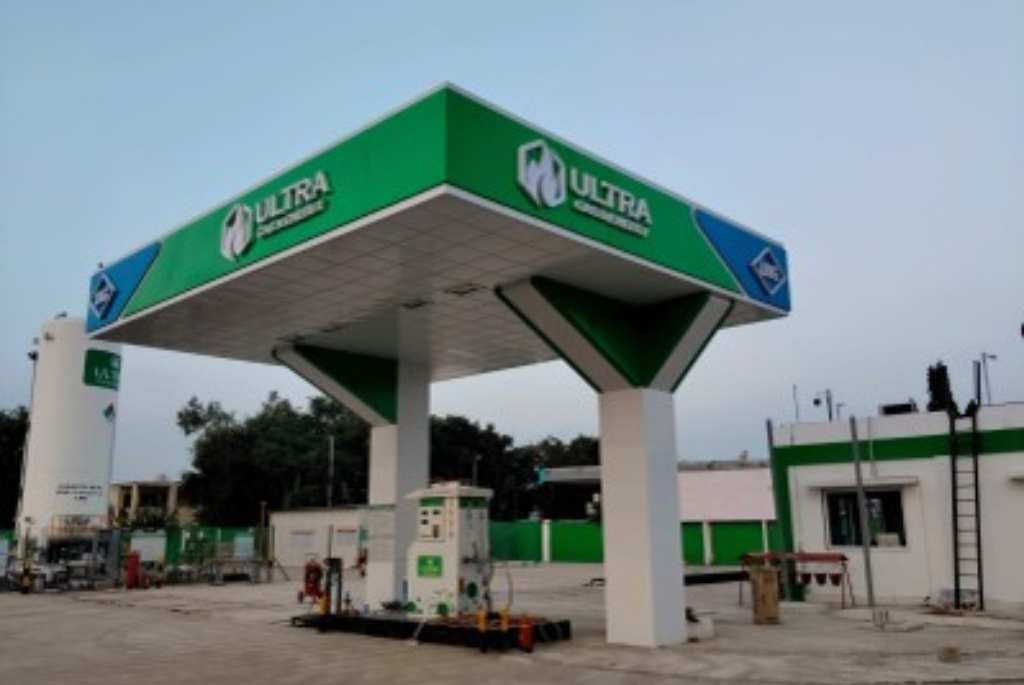
Ultra Gas & Energy’s LNG RO in Panipat brings LNG fuel infrastructure to a major industrial and freight hub, serving the heavy-duty transportation that supports the region’s refining, petrochemical, textile and manufacturing activity.
LNG’s lower emission profile helps to:
- Reduce particulate emissions and NOx from heavy-duty road transportation.
- Deliver near-zero SOx emissions compared with conventional diesel.
- Support lower-emission freight operations across an important industrial region.
Panipat illustrates the intersection of industrial growth, freight infrastructure and a living natural landscape. Cleaner transportation can contribute to a lighter environmental footprint as the region continues to develop.