Region Overview
Vallam, in Tamil Nadu, lies within a predominantly plain and agricultural landscape. Much of the original dry deciduous or scrub forest has been replaced by farms, roads and expanding settlements, leaving scattered trees, vegetated margins, ponds and seasonal streams as key refuges for biodiversity.
Biodiversity Profile

agricultural fields, scrub patches, roadside trees, ponds and other water bodies.

dry adapted trees and shrubs, field bund vegetation and aquatic plants in local water bodies.

waterbirds around ponds, farmland birds, reptiles, amphibians during the monsoon, insects and pollinators.
These elements, though fragmented, form the ecological “infrastructure” of the region, supporting pollination, natural pest control and local micro climates.
Our LNG RO in Vallam
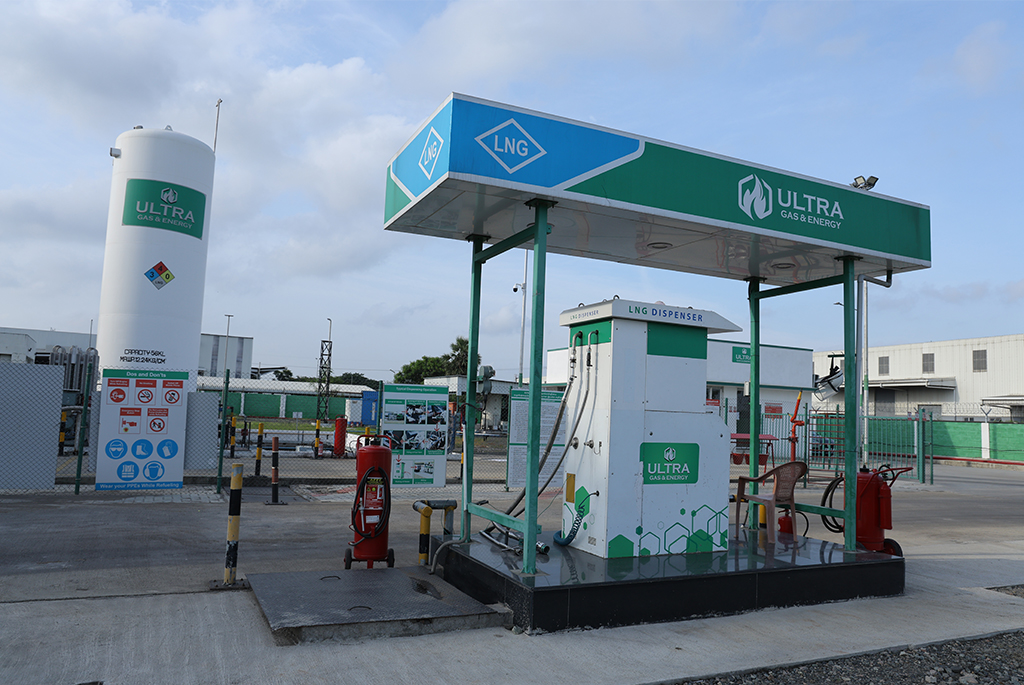
Ultra Gas & Energy’s LNG RO in Vallam serves freight and industrial activity along a busy corridor in southern India. As the region grows, the availability of cleaner fuels becomes increasingly important for both communities and ecosystems.
LNG’s lower emission profile helps to:
- Reduce soot and particulate deposition on crops, homes and water bodies.
- Improve ambient air quality for residents and wildlife.
- Lower the climate impact of transport‑related emissions compared with diesel.
Vallam shows how energy infrastructure in rapidly developing plains can be planned to support, rather than displace, the ecological networks that keep these landscapes productive and liveable.